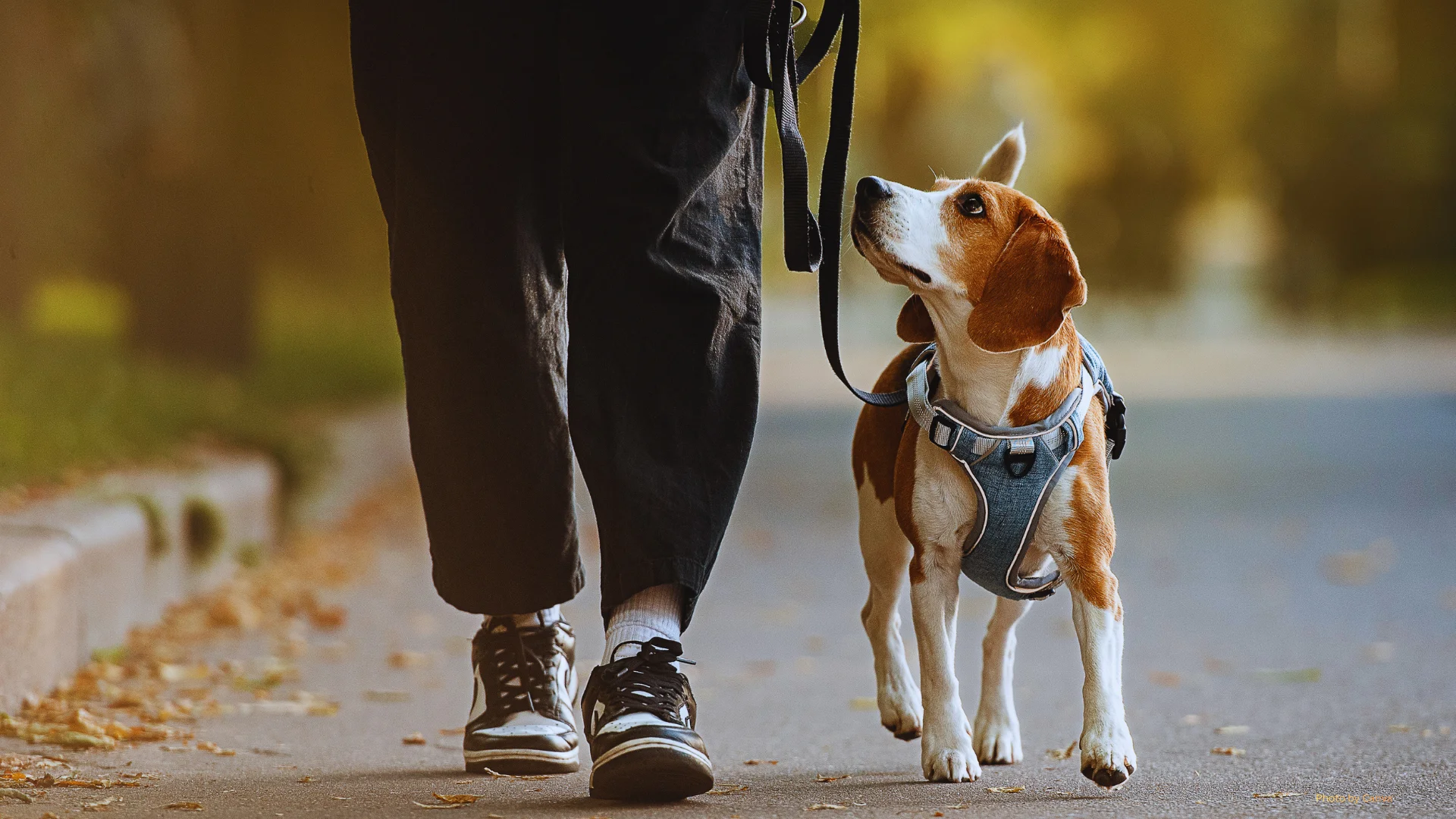
Forty-one adults with type 2 diabetes in Dunedin, New Zealand, wore continuous glucose monitors through two fortnights of the same daily dose of walking. In one stretch they banked their 30 minutes whenever it suited them, and in the other they split it into three 10-minute walks taken after breakfast, lunch and dinner. The minutes were identical, yet the readings were not.
When the University of Otago team published the trial in Diabetologia in October 2016, the after-meal pattern had lowered overall post-meal blood sugar by 12 percent, and the walk after the evening meal had cut that meal's rise by 22 percent. Nothing about the total amount of exercise changed between the two arms, so the difference came down to where the walking sat in the day.
A walk after eating, started soon after the plate is cleared and held at an easy pace for 10 to 15 minutes, is one of the best-supported lifestyle habits for flattening the blood sugar curve that follows a meal, and it costs nothing beyond shoes and a little planning.
What the Otago Trial Measured
Andrew Reynolds, the study's lead author, traced most of the benefit to a single part of the day. "Most of this effect came from the highly significant 22 per cent reduction in blood sugar when walking after evening meals," he said in the university's announcement of the findings, describing dinners that "were the most carbohydrate heavy, and were followed by the most sedentary time."
That detail matters for anyone trying to apply the research at home, because the typical evening runs exactly as Reynolds described: the largest meal of the day, followed by a couch, a screen and several hours of stillness. The published trial used a randomized crossover design with a 30-day washout between the two walking patterns, so each participant served as his or her own comparison, and its authors concluded that current guidelines "should be amended to specify post-meal activity."
The trial was small and its participants already had a diagnosis, which limits how far its numbers can be stretched. It is also not the only evidence pointing the same way, and the older work came from a very different population.
The Older Adults Who Came First
Three years earlier, Loretta DiPietro and colleagues at George Washington University studied 10 adults aged 60 and over who were at risk of type 2 diabetes. Their paper in Diabetes Care compared three 15-minute walks taken after meals with a single sustained 45-minute walk at mid-morning or late afternoon, and the short walks matched the long one on 24-hour glucose control while doing better in the three hours after the evening meal.
"These findings are good news for people in their 70s and 80s," DiPietro told the university's news service when the study appeared, pointing to a pattern that asks for moderate effort in short pieces rather than one long session that many older adults find hard to sustain.
Why Muscles Change the Curve
The mechanism is less mysterious than the results might suggest. Working muscle can pull glucose out of the bloodstream through a contraction-driven pathway that does not depend entirely on insulin, so a walk taken while a meal is still being absorbed gives that sugar somewhere useful to go. DiPietro's team described the muscle contractions of short walks as immediately effective at blunting the glucose rise, which is the plain physiology behind the timing effect.
Insulin follows the same direction. In 2022 a group from the Physical Activity for Health Research Cluster at the University of Limerick pooled seven randomized crossover studies in Sports Medicine and compared light walking breaks, standing breaks and uninterrupted sitting. Walking breaks lowered both glucose and insulin against sitting, while standing produced a smaller glucose improvement and no clear effect on insulin.
The Limerick authors, led by Aidan Buffey, wrote that light-intensity walking "was found to represent a superior physical activity break" when set against standing. Most participants in those studies were overweight or living with obesity, so the pooled result speaks most directly to the people for whom post-meal spikes are already a concern.
Standing Helps, but Less
The comparison between standing and walking is useful for anyone whose evening options are limited. Standing at a counter to fold laundry or wash dishes still moved glucose in the right direction in the Limerick analysis, which means a small apartment and a rainy night do not erase the benefit entirely, though a lap of the block or a few flights of stairs delivers more.
Timing Is the Variable Most People Miss
The clearest evidence on when to move arrived in 2023. Tobias Engeroff, Daniel Groneberg and Jan Wilke at Goethe University Frankfurt analyzed eight randomized crossover trials with 116 participants, 47 of whom had type 2 diabetes, and asked whether exercising before a meal, soon after it, or later on made any difference.
Exercise after eating beat exercise before eating, and exercise before eating did not significantly outperform doing nothing at all. When the researchers sorted the trials by start time, the strongest effect came from activity beginning within the first 29 minutes after the meal, and their review in Sports Medicine concluded that walking helps most "when undertaken as soon as possible after a meal rather than after a longer interval or before eating."
The authors were candid that the underlying trials were small and carried a high risk of bias, so the half-hour window is a best current estimate rather than a hard line. For a reader planning an evening, the practical reading is to put on shoes before settling in, because a walk scheduled for an hour after dinner tends to become a walk that never happens.
What the Diabetes Standards Now Say
The American Diabetes Association's 2026 Standards of Care in Diabetes advise clinicians to "counsel that prolonged sitting should be interrupted at least every 30 min for blood glucose and other benefits." The standards do not prescribe a specific after-dinner walk, yet the instruction to break up long sitting fits neatly around the hours after a meal, when sitting is most common and glucose is climbing.
Building the Habit Into an Ordinary Evening
The research does not require a gym, a heart rate monitor or a particular pace. Participants in the Otago and George Washington studies walked at a comfortable effort, the kind that allows conversation, and the Limerick review deliberately focused on light intensity because that is what most people will sustain after a meal.
Pairing the walk with what is on the plate makes the effect easier to feel. A dinner built around vegetables, beans and whole grains already slows the arrival of sugar, which is the case we made in our look at why fiber is becoming the wellness nutrient of 2026, and a walk afterward gives the slower trickle a destination. Neither habit replaces the other, and together they cost less than any supplement on the shelf.
Readers drawn to products marketed as natural glucose fixes may find the comparison sobering. Our review of what the science says about so-called nature's Ozempic found that the better-supported levers were foods that trigger satiety hormones, and walking belongs on that list with a body of randomized evidence behind it that many botanicals cannot match.
A Note on Medication and Safety
Anyone taking insulin or a sulfonylurea should talk with a clinician before adding regular post-meal exercise, since the combination can push glucose lower than expected, particularly in the evening. People with joint pain, balance concerns or heart conditions can still benefit from the standing and slow-walking end of the evidence, and a clinician can help set a safe starting point.
For most healthy adults the risk sits on the other side of the ledger. A 10-minute walk after dinner is a modest ask, and the trials suggest it outperforms the same minutes taken at a convenient hour that has nothing to do with eating.
Where the Evidence Stops
Every study described here measured short-term glucose and insulin responses over hours or weeks, and none followed people long enough to show fewer heart attacks or fewer diagnoses of diabetes. The sample sizes ran from 10 to 41 people per trial, and the Frankfurt team flagged bias concerns across the field.
Those limits argue for a modest framing, not for skipping the walk. A habit that is free, low risk and consistent with the diabetes association's own advice on sitting needs a lower bar of proof than a pill, and the direction of the evidence has held steady from 2013 through 2023.
The Dunedin volunteers did not exercise more than usual during their after-meal fortnight; they walked when the food arrived. For anyone starting this week, the first step is the one Reynolds identified in the data: get up after the biggest meal of the day, before the evening settles into the couch.